How to Stop Foreclosure in Nevada When You Don’t Have Money for the Arrears
Facing foreclosure in Nevada without enough cash to cure the arrears? Substantial home equity may create another option worth reviewing quickly.
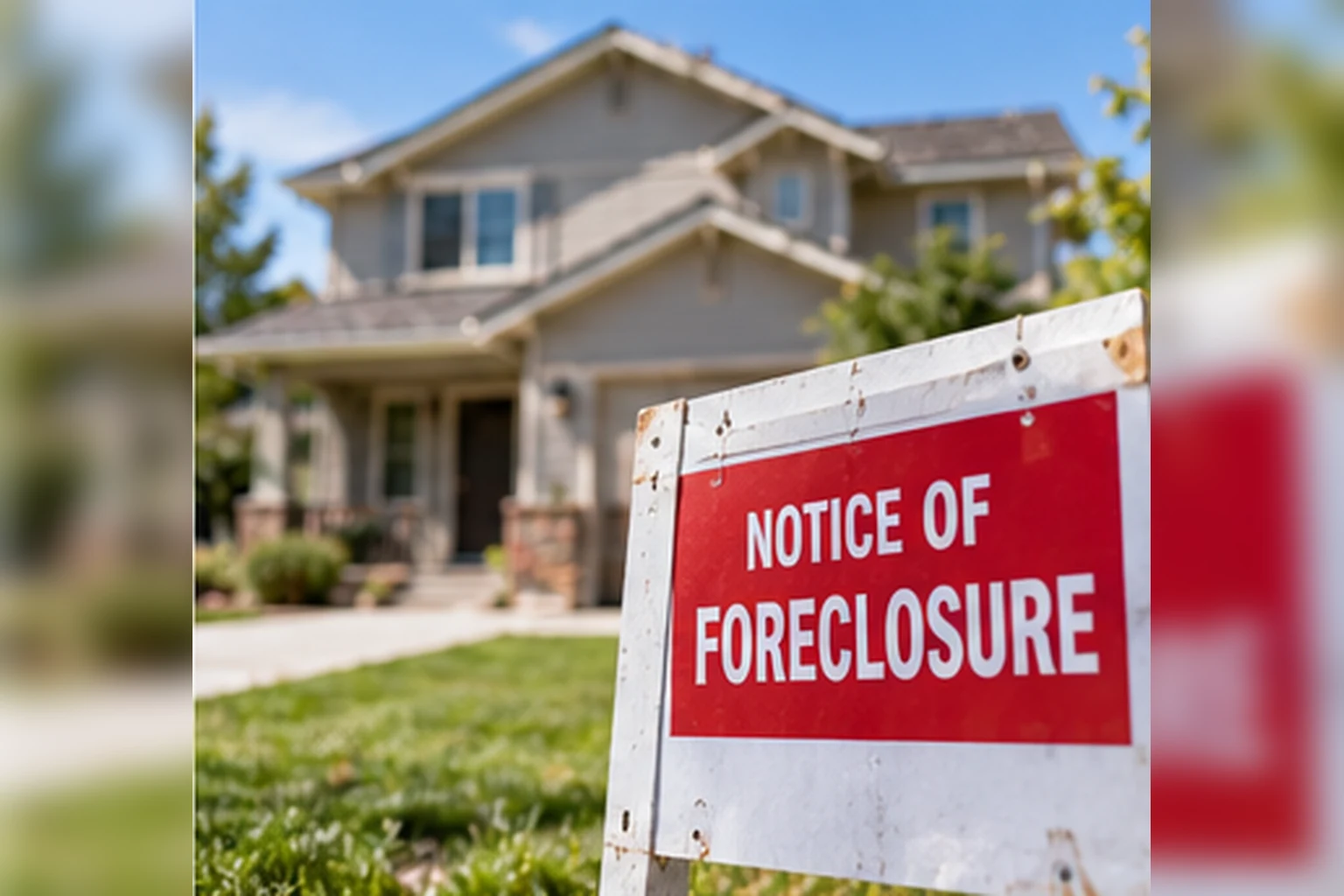
Being short on cash is not the same as being out of equity
A homeowner with a $650,000 property, $425,000 in liens and $24,000 needed to catch up has roughly $225,000 in equity. The immediate problem is access to cash, not necessarily lack of assets.
Find out exactly where you are in the foreclosure process
Determine whether you have delinquency notices, a recorded Notice of Default, a Notice of Trustee’s Sale or an actual sale date. Those are different stages, and timing matters.
Determine the amount needed to stop the problem
Get the current cure or reinstatement amount from the servicer, then gather the property value, first and second mortgage balances, other liens and any scheduled sale date.
Why traditional financing may be difficult
Traditional lenders generally evaluate credit, income, debt ratios and recent payment history. Missed mortgage payments can make conventional financing difficult precisely when a homeowner needs access to equity.
Private equity-based financing may be another option
Some private financing places considerably more emphasis on property value, existing liens, available equity, the amount needed and the overall property situation. It is secured by the property and should be evaluated carefully.
Have $100,000 or more in equity?
Situations involving approximately $100,000 or more in available equity are generally the strongest candidates for the type of assistance discussed here. That amount does not guarantee approval; all property details still matter.
Do not panic and sell without looking at the numbers
If you have $225,000 in equity and need $25,000 to cure the mortgage, compare the size of the immediate problem with the value of the asset before deciding to sell.
Do not wait until the last few days
A situation that may be workable several weeks before a trustee sale can become much harder with only a few days remaining. If you want to keep the home, act while there is still time to evaluate the numbers.
Request a private property review
If you want to keep your Nevada home and have substantial equity, send us the approximate property value, mortgage balances, amount you are behind and any foreclosure sale date. Situations with approximately $100,000 or more in available equity are generally the best fit for the type of assistance we provide.
Tell us about your home